

Sugar Basics: History, Uses, and Market Impact
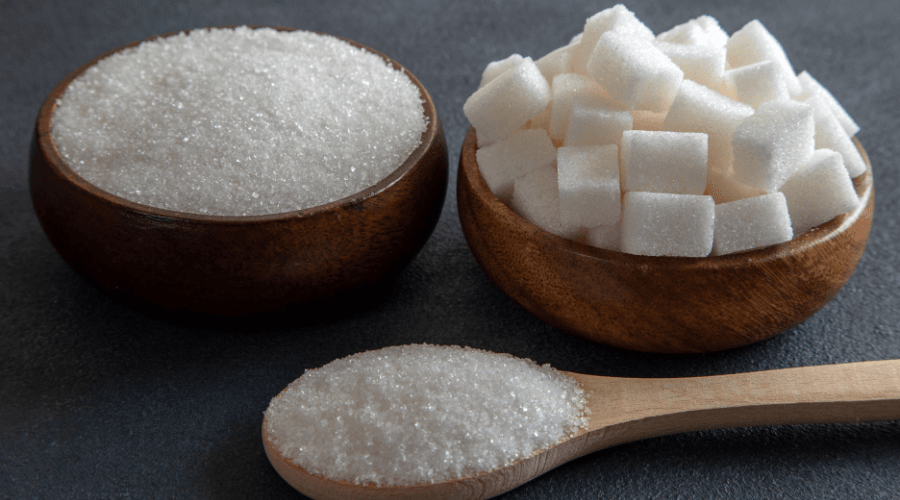
Sugar, a sweet crystal, has become a core component of daily diets worldwide. From simple desserts to complex culinary creations, sugar plays an indispensable role in food processing and human culture.
However, sugar's influence goes far beyond this. Its production and trade history have profoundly impacted global economies and social structures.
This article explores the history of sugar, its various types, wide-ranging applications, and its impact on global markets, providing readers with a comprehensive perspective on this common yet complex commodity.
The History of Sugar
Ancient Origins
The history of sugar can be traced back to ancient civilizations, with its earliest source being sugarcane, native to New Guinea.
As early as the 8th century BCE, residents of India began extracting sugar from sugarcane.
By boiling sugarcane juice, they created the world's first refined sugar.
With the expansion of trade, sugar production techniques spread to China, Persia, and eventually the Arab world.
Sugar Trade in the Middle Ages
By the Middle Ages, sugar production and trade flourished in the Arab region. Arab merchants introduced sugar to the Mediterranean, and after the Crusades, it became a luxury item for European nobility.
At the time, sugar was considered a precious commodity, like spices and silk, and was highly sought after in Europe.
Expansion During the Colonial Era
Europe's demand for sugar peaked during the colonial era. In the 15th and 16th centuries, with the discovery of the New World, European powers such as Portugal and Spain began large-scale sugarcane cultivation in the Caribbean and Brazil.
This not only significantly increased sugar production but also intensified the demand for slaves, as sugarcane farming required extensive labor.
Later, the Dutch and British also joined the trade, making sugar a vital commodity in global commerce.
Industrial Revolution and Modernization
The 18th and 19th centuries saw the Industrial Revolution transform sugar production methods.
Mechanized harvesting and processing reduced labor dependence and boosted output.
Additionally, the invention of beet sugar in the late 19th century provided a new source of sugar, particularly in Europe, reducing reliance on colonial cane sugar.
Types and Characteristics of Sugar
Sugar comes in various types, each with unique chemical structures and uses. Below are some common types:
| Type of Sugar | Source | Characteristics | Main Regions |
|---|---|---|---|
| Sucrose | Extracted from sugarcane and sugar beets | White crystals composed of glucose and fructose, highly water-soluble | Tropical and subtropical regions, such as Brazil, India, Thailand, and the US |
| Fructose | Found in fruits, honey, and root vegetables | Sweeter than sucrose, quickly absorbed, minimal impact on blood sugar | Found in various fruits and vegetables |
| Glucose | Produced by photosynthesis in plants or hydrolyzed from starch | Colorless solid, primary energy source for cells, highly water-soluble | Present in all photosynthetic plants |
| Maltose | Produced through enzymatic breakdown of starch | Composed of two glucose molecules, commonly used in beer production | Brewing and fermentation industries |
| Lactose | Naturally found in mammalian milk | Composed of glucose and galactose, difficult to digest for many adults | Milk and dairy products |
Uses of Sugar
Sugar is more than just a sweetener; its applications span across food, medicine, and other industries:
Food Industry
- Sugar is essential in baking and confectionery for flavor, moisture retention, and preservation.
- In beverage production, sugar adjusts taste and boosts energy content.
- It is also used in making jams and jellies, aiding in setting and enhancing flavor.
Medical Uses
- Sugar is used in cough syrups and other medicines to improve taste and patient acceptance.
- Lactose is frequently used as a filler and stabilizer in pharmaceuticals.
Other Applications
- Sugar is a key raw material in producing biofuels such as ethanol.
- Its fermentation process is utilized in creating bioplastics and other biochemical products.
- Sugar is also used in cosmetics as a natural humectant and exfoliant.
Market Impact of Sugar
The global sugar market has immense economic and social significance. Below are key aspects:
Global Supply and Demand Dynamics
Sugar is one of the largest agricultural commodities, and its production and consumption patterns deeply influence international trade.
Brazil, India, the EU, China, and Thailand are the world's largest sugar producers and exporters, while the US, China, India, and Russia are the largest importers.
The supply-demand balance is affected by various factors, including climate change, government policies, and international market prices.
Price Volatility
Sugar prices are highly volatile, impacting producers, consumers, and the global economy.
Prices are influenced by multiple factors, such as weather conditions (e.g., hurricanes and droughts affecting yields), political policies (e.g., export restrictions and trade agreements), and market speculation.
For instance, changes in Brazil's production, the world's largest sugar producer, significantly affect global prices.
Market Trends and Challenges
In recent years, growing health awareness and consumer focus on healthy diets have shifted sugar consumption habits.
More consumers and food manufacturers are opting for alternative sweeteners like stevia and erythritol, posing challenges to traditional sugar markets.
Additionally, government policies, such as sugar taxes aimed at reducing sugar intake, are reshaping market dynamics.
Sustainability and Innovation
Faced with market and environmental challenges, the sugar industry is exploring sustainable and eco-friendly production methods.
For example, sugar mills use bagasse (sugarcane residue) to produce bioenergy, reducing waste and providing additional revenue streams.
Simultaneously, researchers are developing new sweeteners that balance sweetness, calorie content, and health impacts to meet the demand for healthier products.