

Cocoa Basics: History, Uses, Varieties, and Market Impact
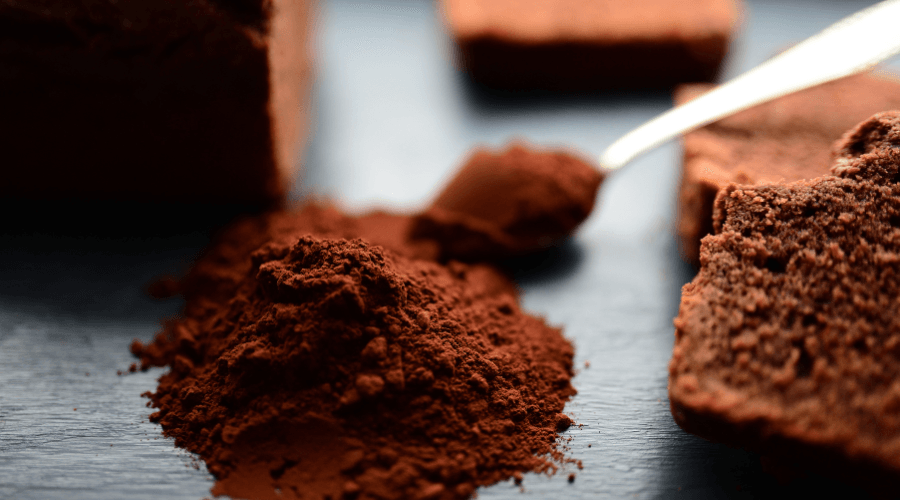
Cocoa is the core ingredient of chocolate and cocoa products; roughly 70% of world output comes from Ivory Coast and Ghana in West Africa. Its price hinges on growing-region weather, political stability and consumer demand — and it can be traded via futures and CFDs.
From Mayan and Aztec ritual drinks to today's chocolate industry, cocoa has travelled a long road and continues to shape the global food and beverage market.
From its sacred use in ancient rituals to its role in modern desserts, cocoa’s evolution closely mirrors human history and cultural change. This article explores cocoa’s historical development, its distinct varieties, versatile applications, and its unique position in the global economy.
- Definition: core ingredient of chocolate; Criollo, Forastero and Trinitario are the main types
- History: born in Central America, first grown by Mayans and Aztecs, reached Europe after 1492
- Uses: chocolate, baking, drinks, cosmetics, pharmaceuticals, energy products
- Markets: Ivory Coast and Ghana lead output; U.S., Germany, Belgium lead imports
- Price drivers: West African weather, political stability, sustainability demand, health trends
1. History of Cocoa
Origins and Spread
Cocoa originated in the rainforests of Central America, where ancient cultures like the Mayans and Aztecs first cultivated and consumed it.
The Mayans began cultivating cacao trees around 600 BCE, using the beans to prepare beverages for nourishment and rituals.
By the 15th century, cocoa had become a valued commodity under the Aztec Empire, even serving as currency for trade.
Introduction and Popularization in Europe
Following Columbus’s discovery of the Americas in 1492, cocoa was introduced to Europe, where it became a luxury item among Spanish nobility.
Initially exclusive to the royal and elite, cocoa became widespread across Europe when sugar and spices were added to create sweetened cocoa drinks.
By the 17th century, the establishment of colonial plantations and increased production made cocoa more affordable, allowing the general public to enjoy cocoa products.
Modern Cocoa Cultivation
The Industrial Revolution and global trade advanced cocoa production, increasing efficiency and accessibility.
In the 19th century, technological advancements in chemistry and mechanical engineering revolutionized cocoa processing, reducing costs and improving quality.
In the 20th century, sustainability and fair trade initiatives shaped cocoa farming into an environmentally and socially responsible industry.
2. Cocoa Varieties and Characteristics
Cocoa beans come in three main varieties, each with unique flavors and characteristics:
| Cocoa Type | Characteristics | Main Regions |
|---|---|---|
| Criollo | Superior quality, complex aroma, mild bitterness | Central America (Venezuela, Nicaragua, Mexico) |
| Forastero | Common, strong flavor, bitter, disease-resistant | West Africa (Ivory Coast, Ghana) |
| Trinitario | Hybrid of Criollo and Forastero, rich flavor | Caribbean (Trinidad) |
3. Cocoa Applications
Cocoa’s versatility extends beyond chocolate production, impacting multiple industries:
1. Chocolate Manufacturing
Cocoa is the primary ingredient in various chocolates, including dark, milk, and white varieties. Its quality and type directly affect the flavor and texture of chocolate.
2. Food Industry
- Cocoa Powder: Used in baking cakes, cookies, and brownies.
- Cocoa Beverages: Popular for hot and cold drinks worldwide.
- Cocoa Butter: A natural fat used in chocolate production, baking, and improving food textures.
3. Cosmetics and Pharmaceuticals
- Skincare Products: Cocoa butter’s moisturizing properties make it a staple in lotions, lip balms, and creams.
- Medicinal Use: Rich in antioxidants, cocoa is used in supplements to improve blood circulation and heart health.
4. Functional Beverages
Cocoa’s natural stimulants, such as caffeine and theobromine, make it an ideal ingredient in energy drinks and nutritional supplements.
4. Cocoa Market Impact
Cocoa, a critical agricultural product in international trade, significantly influences the global economy. Key aspects of the cocoa market include:
1. Global Trade
Major Producers and Exporters:
Cocoa production is concentrated near the equator. Ivory Coast and Ghana are the largest cocoa bean producers and exporters, with economies heavily reliant on cocoa exports. Other notable producers include Indonesia and Ecuador.
Major Importers:
The United States, Germany, and Belgium are leading importers of cocoa beans and cocoa products, driven by their robust chocolate manufacturing industries.
2. Price Volatility Factors
Climate Change:
Cocoa production depends heavily on stable climate conditions. Extreme weather events like droughts or excessive rainfall caused by climate change can significantly affect yields, driving global price fluctuations.
Political and Economic Factors:
Political stability and economic policies in producing countries impact cocoa production and exports. Political unrest can disrupt supply chains, influencing global prices.
3. Consumer Trends
Rising Demand for High-Quality and Sustainable Cocoa:
Consumer interest in product sourcing and production methods has increased demand for certified sustainable cocoa. This drives more producers to adopt fair trade and organic farming practices.
Growing Health Consciousness:
Health-conscious consumers are seeking low-sugar and high-antioxidant cocoa products, increasing demand for healthier alternatives.
4. Future Trends
Technology and Innovation:
Biotechnology advancements may improve farming and production processes, enhancing yields and disease resistance while reducing dependency on chemical pesticides.
Market Diversification:
As emerging markets show growing demand for chocolate and cocoa products, producers may explore new export opportunities and expand domestic markets to mitigate traditional market fluctuations.
Trade Cocoa CFDs with Titan FX
Titan FX offers cocoa CFDs with up to 50:1 leverage and the flexibility to go long or short without holding the physical commodity.
5. FAQ
Q1. What are the main cocoa varieties?
Commercial production is dominated by Forastero, which accounts for more than 80% of world output — bold in flavor and disease-resistant, grown mainly in West Africa. Criollo is the finest and most delicate but scarce, found mostly in Central American countries such as Venezuela and Mexico. Trinitario is a hybrid of the two that combines flavor and hardiness, grown mainly in the Caribbean.
Q2. What drives cocoa prices?
Weather in the major West African producers matters most: drought, excessive rain or pests and disease in Ivory Coast and Ghana cause supply shortfalls that push prices up. Political stability and export policy in producing countries, inventory and grindings data, and shifts in demand for chocolate and certified sustainable cocoa also play a role.
Q3. Which countries are the main cocoa producers and importers?
Ivory Coast and Ghana together supply roughly 60–70% of the world's cocoa beans, followed by Indonesia, Ecuador and Nigeria. The United States, Germany, Belgium and the Netherlands are the main importers and processors, home to large chocolate manufacturing industries.
Q4. How can retail investors take part in the cocoa market?
Beyond cocoa futures on ICE, retail traders can use cocoa CFDs (contracts for difference) to go long or short without holding the physical commodity. Titan FX offers cocoa CFDs with live cocoa prices.
Q5. Do cocoa and coffee prices move together?
Both are tropical cash crops exposed to growing-region weather and the U.S. dollar, but their supply structures differ. Cocoa output is concentrated in West Africa, so prices react sharply to weather or political events in a single region, while coffee is led by Brazil and Vietnam. They may move in the same direction in the short term, but long-term trends depend on each market's own fundamentals.
Further Reading
Titan FX Research Team — investor-education content across forex, commodities (oil, precious metals, agriculture), stock indices, U.S. equities, and crypto assets.
Primary Sources (by Category)
- International body: International Cocoa Organization (ICCO) — Quarterly Bulletin of Cocoa Statistics
- Exchange: ICE Futures U.S. — Cocoa Futures
- Official data: USDA FAS — Global Agricultural Information Network (GAIN)