

Coffee Basics: History, Uses, Varieties, and Market Impact
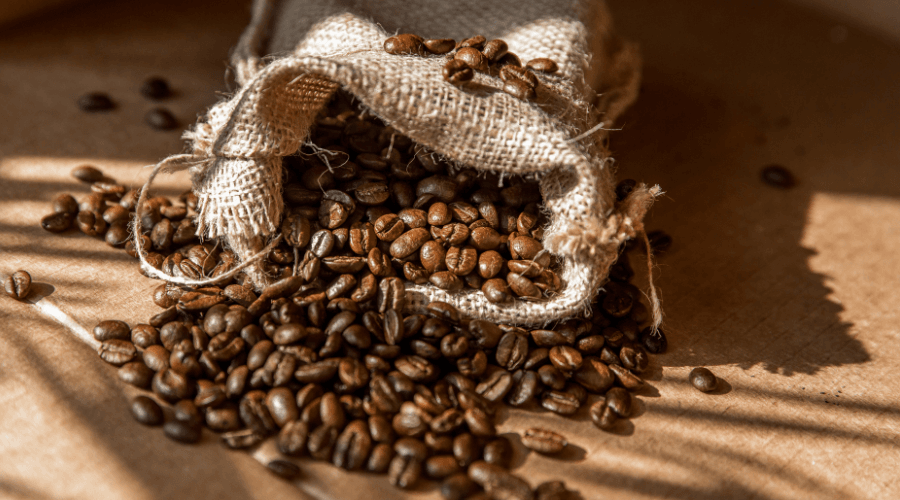
Coffee is one of the most actively traded agricultural commodities in the world, split mainly into Arabica and Robusta. Its price hinges on growing-region weather, policy in major producers, and currency moves — and it can be traded via futures and CFDs.
From the legends of the Ethiopian highlands to today's cafés on every continent, coffee is far more than a drink — it is a global commodity linking producer economies with consumer culture.
From its mysterious origins to becoming a cornerstone of global consumer culture, every cup of coffee carries rich historical and cultural significance.
This article delves into the evolution of coffee beans, the characteristics of different varieties, its diverse applications, and how coffee shapes its unique economic impact in global markets.
- Definition: one of the most actively traded farm commodities; Arabica and Robusta dominate
- History: born in Ethiopia, spread via Arabia to Europe, then to colonial plantations
- Uses: beverages, food industry, cosmetics, pharmaceuticals, energy drinks
- Markets: Brazil, Vietnam, Colombia, Indonesia lead; exports hinge on coffee prices
- Price drivers: growing-region weather, politics and FX, consumer trends
1. History of Coffee
Origins and Spread
The story of coffee begins on the highlands of Ethiopia, where legend has it that a shepherd named Kaldi discovered his goats became unusually energetic after eating a particular fruit.
That fruit, now known as coffee beans, gradually spread in use and cultivation across the Arabian Peninsula, especially in Yemen, where coffee was widely grown and used as a beverage.
Rise of Coffeehouses
In the 15th century, coffeehouses began flourishing in the Arab world, particularly in major trade cities like Cairo and Istanbul.
These coffeehouses became hubs for enjoying coffee, exchanging news, and fostering cultural and political activities.
As their popularity grew, coffee's reputation and demand began spreading rapidly to Europe.
Europe's Coffee Craze
By the 17th century, coffee had become a fashionable beverage in Europe, with the first European coffeehouse opening in Venice, followed by rapid expansions to cities like Paris and London.
During this era, coffee joined tea and chocolate as a prominent drink among European elites.
At the same time, European colonial powers established coffee plantations worldwide, particularly in Central and South America and Southeast Asia.
Modern Coffee Cultivation
Advances in technology, especially during the 19th century and beyond, transformed coffee production.
Mechanized harvesting and processing techniques enhanced efficiency, while genetic advancements enabled breeders to develop coffee plants adapted to diverse climates and conditions.
Globalization and international trade further facilitated coffee's cross-border flow, while also introducing price fluctuations and competitive dynamics.
2. Coffee Varieties and Characteristics
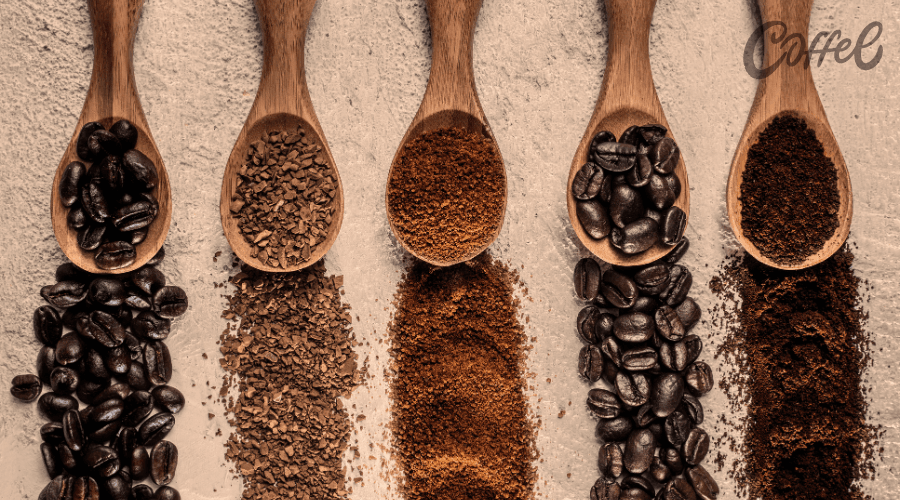
Coffee beans come in a variety of types, each with unique flavors and characteristics.
The table below summarizes the features and origins of four main coffee types, offering insights into their distinct flavor profiles:
| Coffee Type | Characteristics | Main Regions |
|---|---|---|
| Arabica | High acidity, complex aroma, lower caffeine, superior quality | Central & South America, East Africa, parts of Asia |
| Robusta | Strong, bitter taste, high caffeine, resistant to pests | West Africa, Southeast Asia, Brazil |
| Liberica | Large, irregular beans, woody and fruity flavors | West Africa, Philippines, Malaysia |
| Excelsa | Similar to Liberica, rich aroma, fruity and nutty notes, mild acidity | Southeast Asia |
3. Coffee Applications
1. Beverage Preparation
Coffee is primarily used to prepare beverages, with various brewing techniques and flavor additives creating diverse coffee drinks:
Espresso:
A concentrated coffee extracted under high pressure using finely ground beans.
American Coffee:
Espresso diluted with hot water.
Cappuccino:
Equal parts espresso, steamed milk, and milk foam.
Latte:
Espresso with a larger quantity of steamed milk.
2. Food Industry
Coffee is widely used in the food industry to enhance flavor:
Coffee-Flavored Ice Cream:
A popular choice among ice cream flavors.
Confectionery and Chocolate:
Coffee beans or extracts are added to chocolates and candies for a unique coffee taste.
Baked Goods:
Used in cakes, cookies, and other pastries for a rich coffee flavor.
3. Cosmetics and Pharmaceuticals
Coffee’s caffeine content and antioxidant properties have applications in cosmetics and medicine:
Cosmetics:
Caffeine is commonly added to eye creams and skincare products for its anti-inflammatory and energizing properties.
Pharmaceuticals:
Caffeine is used in medications for treating headaches, migraines, and certain types of pain.
4. Functional Beverages
Caffeine is a widely used stimulant in energy drinks and functional beverages, helping improve focus and increase energy levels.
4. Market Impact of Coffee
Coffee has a profound influence on the global market, not only as one of the most popular beverages but also as a critical player in international trade.
1. Global Trade
Coffee is one of the most actively traded agricultural commodities in the world, underscoring its economic significance. Brazil, Vietnam, Colombia, and Indonesia are the largest coffee-producing and exporting nations.
The economies of these countries heavily depend on coffee exports, and fluctuations in international coffee prices directly impact their economic stability.
2. Price Volatility Factors
Coffee prices are influenced by various factors, including climate change, political instability, currency fluctuations, and global economic conditions:
Climate Change:
Weather conditions directly affect coffee production, especially Arabica beans, which are more climate-sensitive. Extreme weather like droughts or excessive rainfall can lead to supply shortages, driving up prices.
Political and Economic Factors:
The political stability and economic policies of producing countries influence coffee production and exports. For instance, currency devaluation can boost a country’s coffee exports, impacting global market prices.
3. Consumer Trends
Changes in consumer preferences also affect the coffee market:
Rise of Specialty and Sustainable Coffee:
Growing interest in coffee quality and sustainability has increased demand for specialty and fair-trade-certified coffee, encouraging high-quality production and potentially improving farmers’ incomes.
Health Consciousness:
Health trends drive demand for low-caffeine or decaffeinated products.
4. Future Outlook
The coffee market's future will continue to be shaped by global economic shifts, consumer behavior, and climate change.
Technological advancements, such as genetically edited coffee beans, could improve crop yields and disease resistance, influencing future supply chains.
Meanwhile, ongoing attention to environmental sustainability and social justice will promote more eco-friendly coffee production and fair trade practices.
Trade Coffee CFDs with Titan FX
Titan FX offers coffee CFDs with up to 50:1 leverage and the flexibility to go long or short without holding the physical commodity.
5. FAQ
Q1. What are the main coffee varieties?
Commercial production centers on Arabica and Robusta. Arabica is higher in acidity, more aromatic and lower in caffeine, grown mainly in Central and South America and East Africa; Robusta is bolder, higher in caffeine and more disease-resistant, grown mainly in Vietnam, Brazil and West Africa. Liberica and Excelsa are niche varieties with small output.
Q2. What drives coffee prices?
Weather in the major producers matters most: frost or drought in Brazil and abnormal rainfall in Vietnam cause supply shortfalls that push prices up. Politics and currencies in producing countries (a weaker Brazilian real encourages exports), inventory levels, and shifts in demand toward specialty and health-oriented products also play a role.
Q3. Which countries are the main coffee producers and exporters?
Brazil is the world's largest producer and exporter, followed by Vietnam (mostly Robusta), Colombia and Indonesia. The EU, the United States and Japan are the main importers and consumer markets, and producer export earnings depend heavily on international coffee prices.
Q4. How can retail investors take part in the coffee market?
Beyond Coffee "C" futures on ICE, retail traders can use coffee CFDs (contracts for difference) to go long or short without holding the physical commodity. Titan FX offers Arabica and Robusta coffee CFDs with live Arabica prices and live Robusta prices.
Q5. Why do Arabica and Robusta trade at different prices?
Arabica is more demanding in climate and altitude, its output is less stable, and its flavor commands a premium, so it usually trades above Robusta. Robusta is hardier and higher-yielding, and is widely used in instant coffee and blends. They are listed on ICE (New York) and ICE Europe (London) respectively, and the spread widens or narrows with supply and demand in each growing region.
Further Reading
Titan FX Research Team — investor-education content across forex, commodities (oil, precious metals, agriculture), stock indices, U.S. equities, and crypto assets.
Primary Sources (by Category)
- International body: International Coffee Organization (ICO) — Coffee Market Report
- Exchange: ICE Futures U.S. — Coffee "C" Futures
- Official data: USDA FAS — Coffee: World Markets and Trade