

Global Gold Demand: Jewelry, Investment, Industrial, Central Banks
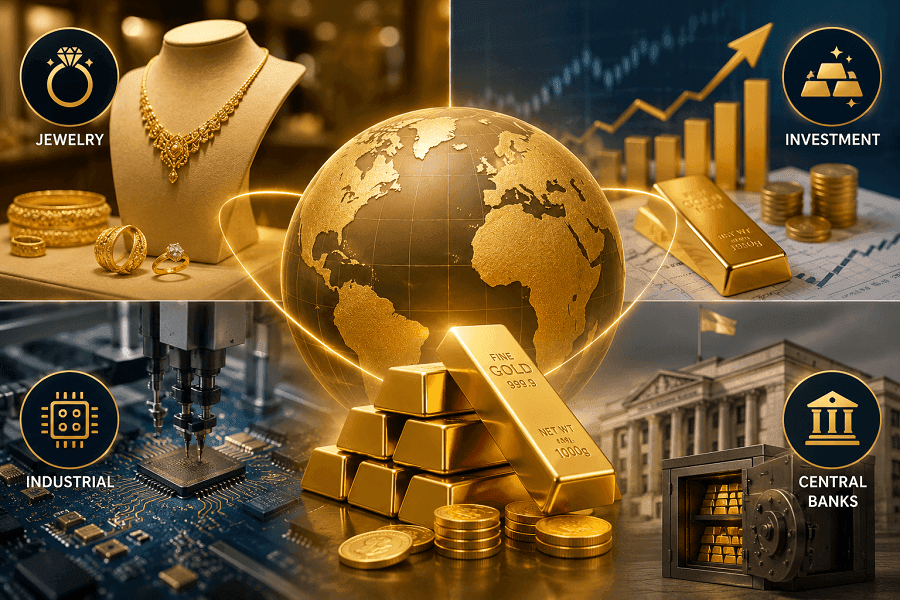
Gold demand comes from four main sources — jewelry, investment, industrial use, and central-bank reserves — whose shifting balance drives the gold price and market supply-demand.
Why does gold sometimes hold steady and sometimes swing sharply? The answer often lies in who is buying it. Reading the shifting balance of four demand forces — jewelry, investment, industry, and central banks — is the key to making sense of the gold price.
This article explores the primary sources of global gold demand, including jewelry, investment needs, industrial applications, and central bank purchases, analyzing their impact on the overall gold market dynamics.
By understanding these key drivers, we can gain deeper insights into the diversity of gold demand and its potential effects on prices.
- Four demand sources: jewelry, investment, industry, central-bank reserves
- Jewelry: about half of total demand, driven by culture and growth
- Investment: a safe haven — physical gold plus ETFs/CFDs/futures
- Central banks: diversify reserves and hedge risk, supporting prices
- How to trade: Titan FX gold CFDs + MT4/MT5 + gold-silver-ratio/price tools
1. Jewelry Demand
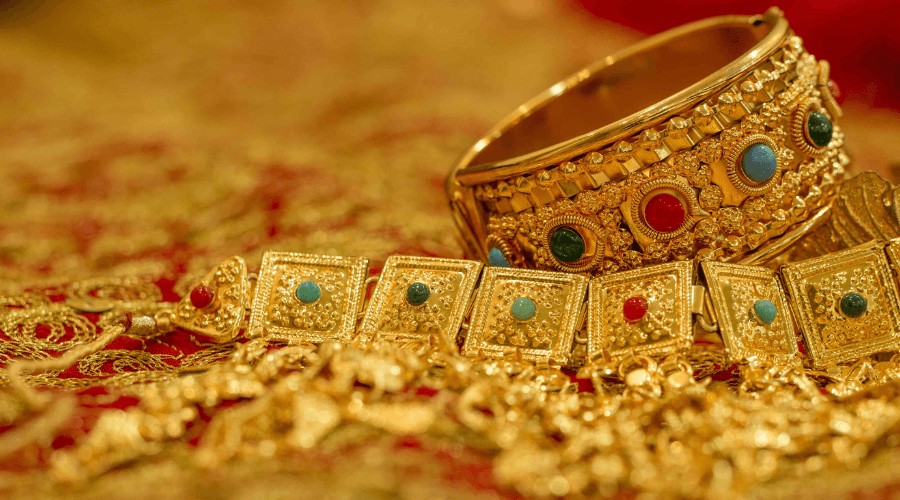
Jewelry constitutes a significant share of global gold demand, typically accounting for more than half of the total, as per data from the World Gold Council. This demand is driven by several factors:
Cultural Significance
In countries like India and China, gold jewelry holds deep cultural and traditional value, serving as more than decorative items. For instance, India's wedding season and China's Lunar New Year see substantial spikes in gold jewelry demand.
Economic Growth
Economic growth in these countries expands the middle class, increasing disposable income and driving higher consumption of gold jewelry as a symbol of wealth and status.
Marketing and Fashion Trends
Aggressive marketing by jewelry brands promotes gold as a modern and fashionable choice. New designs targeting younger consumers further fuel demand.
2. Investment Demand
Gold investment demand can be categorized into two main types: physical gold and financial instruments.
Physical Gold (Bars, Coins, etc.):
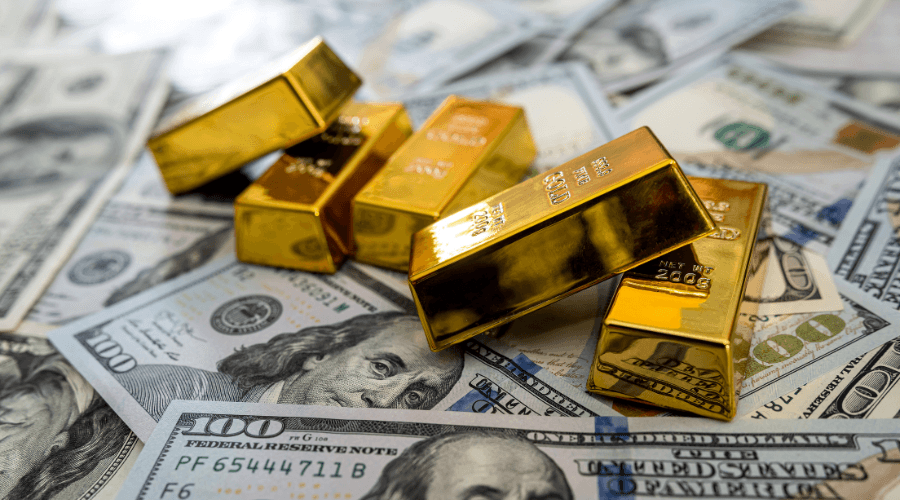
Physical gold includes gold bars and coins, the most traditional forms of gold investment.
Many investors choose physical gold for its tangible value. During periods of economic instability, physical gold is often regarded as a safe-haven asset.
This type of gold is physically held, and investors frequently purchase bars and coins to directly invest in gold. Demand for physical gold tends to increase significantly during times of economic or political uncertainty.
Financial Instruments (ETFs, CFDs, Futures, etc.):
Gold financial instruments include Exchange-Traded Funds (ETFs), Contracts for Difference (CFDs), and futures, offering investors diversified alternatives to owning physical gold.
Gold ETFs allow investors to buy shares related to gold through the stock market without holding the gold directly. These funds typically back their value with physical gold or gold futures.
Gold CFDs enable investors to trade gold by predicting its price movements, supporting both long and short positions and allowing leverage, which enhances investment flexibility and risk.
Gold futures are standardized contracts in which investors agree to buy or sell gold at a predetermined price on a future date. They are often used for hedging or speculative purposes.
These financial tools provide convenience and efficiency in trading, meeting various investor needs for risk management and capital allocation.
3. Industrial Applications
Gold plays a role in industrial applications, albeit on a smaller scale compared to its demand for investment and jewelry. Its unique physical and chemical properties make it indispensable in various industries. Below are the primary industrial uses of gold:
Electronics Industry:
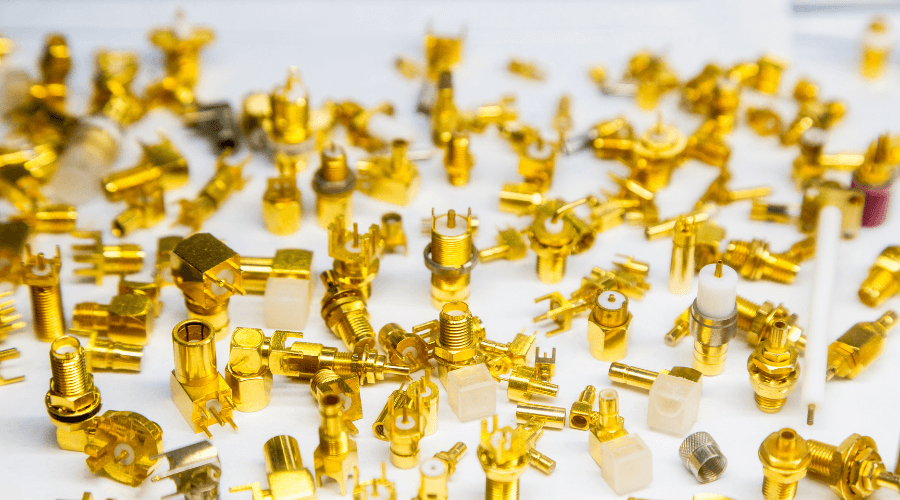
Gold's excellent conductivity and resistance to corrosion make it a key material in manufacturing high-end electronic devices.
Gold is used in connectors, switches, and other critical components in smartphones, computers, tablets, and other electronic devices. Its application ensures long-term efficiency and reliable performance in these devices.
Aerospace:
In the aerospace sector, gold is utilized in critical components of satellites, spacecraft, and aircraft, especially in highly reliable electronic systems. Its use minimizes failure rates and ensures stability in extreme environments.
Medical Technology:
Gold is employed in the medical industry for producing precise medical instruments, such as pacemakers and diagnostic equipment.
Additionally, its biocompatibility makes gold an essential material in dental applications, used for durable and hypoallergenic dental restorations.
Chemical Industry:
Gold serves as a catalyst in the chemical industry, facilitating efficient chemical reactions, such as in automotive exhaust catalysts to reduce harmful gas emissions.
4. Central Bank Reserves
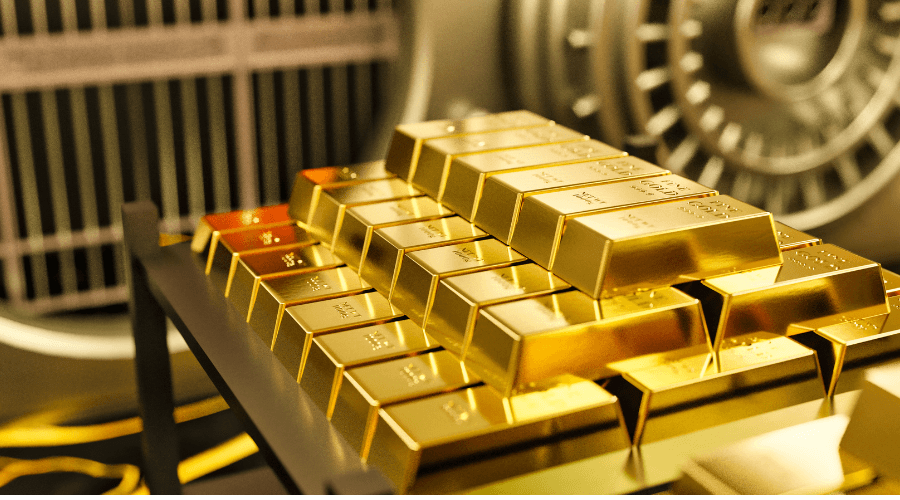
Central banks' demand for gold is a significant component of the global gold market, primarily aimed at strengthening and maintaining national financial security.
Gold, as a universally recognized store of value, enhances the credibility and stability of a country's currency. During times of economic instability or high inflation, central banks often increase their gold reserves to support their currency and shield their economy from external shocks.
Furthermore, central banks hold gold as a last-resort payment tool, useful for settling international debts or addressing severe economic crises. As such, central bank purchases often play a stabilizing and supportive role in the gold market.
5. Trading Gold CFDs with Titan FX
Titan FX offers CFD trading on precious metals such as gold and silver, well suited to investors who want flexibility. Account opening can be completed in as little as one day; register on the official Titan FX website.
Titan FX account-opening guide| Advantage | Description |
|---|---|
| High leverage | Up to 1,000x on gold (XAU/USD), amplifying return potential. |
| Tight spreads | Competitive spreads that lower trading costs. |
| Fast execution | Minimizes slippage for efficient trading. |
| Advanced platforms | Supports MT4 and MT5, ideal for technical analysis. |
| Free tools | Dozens of tools including a gold-silver ratio tool and an international gold-price chart. |
| Multilingual support | Customer support in English, Japanese, and Chinese. |
| Educational resources | Precious-metals trading guides and daily market analysis. |
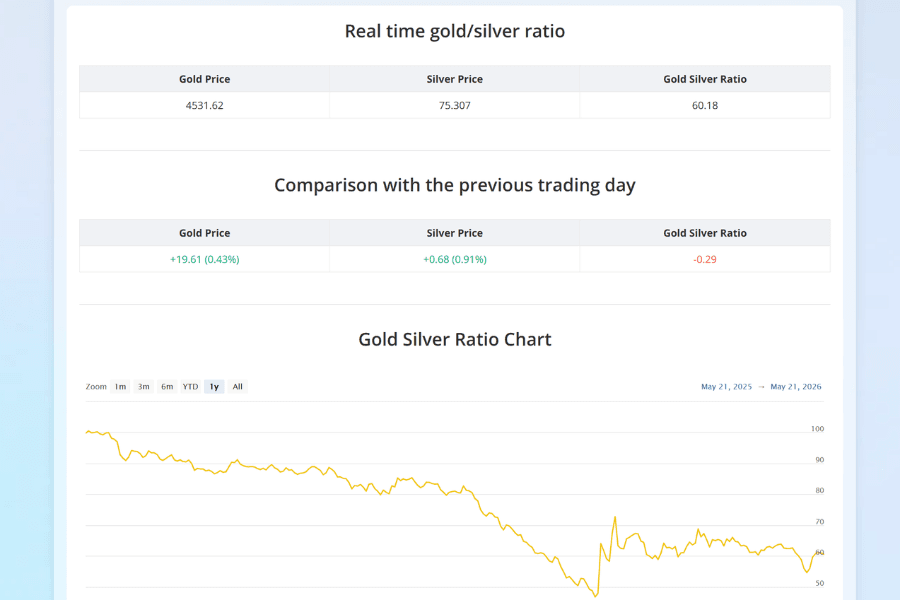
Precious-metals tool 1: Gold-silver ratio chart
The gold-silver ratio compares the relative value of gold and silver, helping you spot when silver looks under- or over-valued and refine your trading decisions.
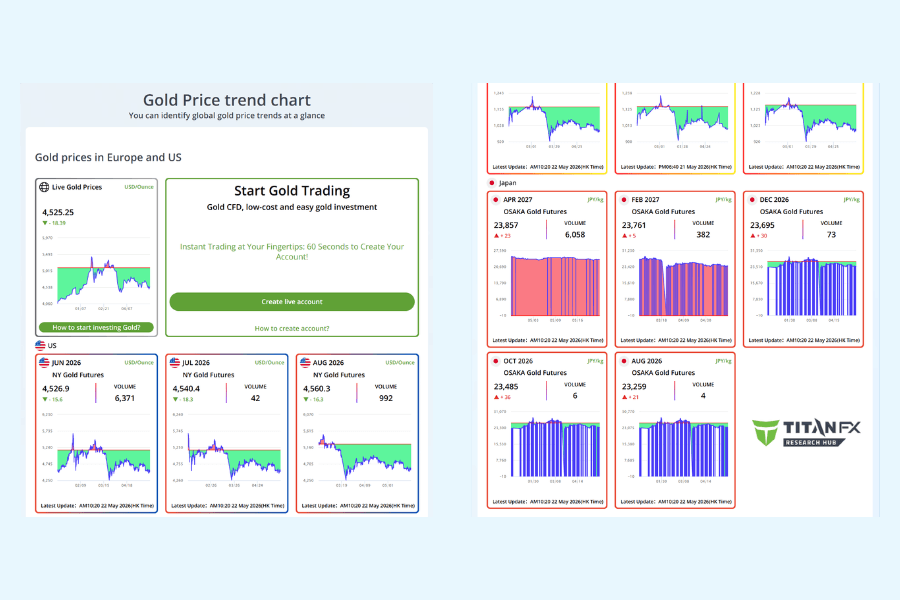
Precious-metals tool 2: International gold-price trend
Provides real-time gold-price data and historical charts that you can combine with indicators such as RSI and MACD to analyze market trends.
Trade Gold CFDs with Titan FX
Titan FX offers gold CFDs (XAU/USD) with up to 1,000:1 leverage, tight spreads, and the flexibility to go long or short without holding physical gold.
6. Gold Demand FAQs
Q1. Which source of gold demand is the largest?
Jewelry has long made up roughly half of total demand, but investment and central-bank demand have a bigger marginal impact on the price during turbulent markets.
Q2. Why do central banks buy gold?
Gold is a widely recognized store of value and safe haven; central banks use it to diversify reserves and hedge USD and geopolitical risk. See §4.
Q3. What ways are there to invest in gold?
Physical bars and coins, gold ETFs, CFDs, and futures. Retail investors often use ETFs/CFDs, while institutions hedge with futures. See §2.
Q4. Does industrial demand move the gold price much?
It is small but steady — a baseline demand that rises gradually with advances in electronics, medical, and aerospace technology. See §3.
Q5. How can I trade gold with Titan FX?
Through gold CFDs, combined with MT4/MT5 and free tools like the gold-silver ratio and price charts, to trade both directions and manage risk. See §5.
7. Conclusion
The diversity of gold demand is a key determinant of its price and market dynamics.
From traditional jewelry manufacturing to modern applications in investment and financial instruments, as well as industrial uses and strategic reserves by central banks, these various sources of demand collectively shape the complexity and vibrancy of the global gold market.
The jewelry industry continues to drive consumer demand for gold, while investors highlight its role as a "safe-haven" asset, particularly in uncertain economic conditions.
Simultaneously, gold's unique properties in industrial applications ensure its ongoing fundamental demand.
Additionally, central banks, through their significant gold purchases, not only safeguard national financial stability but also play a critical role in the global financial system.
Understanding these sources of demand and their characteristics is crucial for any investor analyzing the gold market or devising related strategies.
Further Reading
- Why central banks favor gold
- Factors affecting gold prices
- Precious metals basics
- Gold-silver ratio tool
- XAU/USD live rate
Titan FX Trading Strategy Lab. We produce investor-education content covering forex, commodities (crude oil, precious metals, agricultural goods), stock indices, U.S. equities, and digital assets.
Primary Sources (by Category)
- Market data: World Gold Council demand-supply statistics; central-bank gold-reserve data
- Titan FX official: Central banks and gold, XAU/USD live rate