

What Is a Troy Ounce? How Gold Is Weighed and Priced
You have probably seen the price of gold quoted on the news as "so many dollars per ounce." But why an ounce, when most things are weighed in grams or kilograms? The key to that answer is the troy ounce — the dedicated unit of weight for precious metals.
Yet for many investors, exactly how much weight does a "gold ounce" represent? Is it the same as the grams or kilograms we use in everyday life? The answer is not always intuitive. In fact, the ounce used in the international gold market has its own dedicated measurement standard and historical background.
This article begins with the "troy ounce," a measurement unit commonly seen in the gold market, and then walks step by step through how gold is priced, the differences between units, and how all of this applies in practice within financial markets, helping readers build an accurate understanding of gold prices and how the market works.
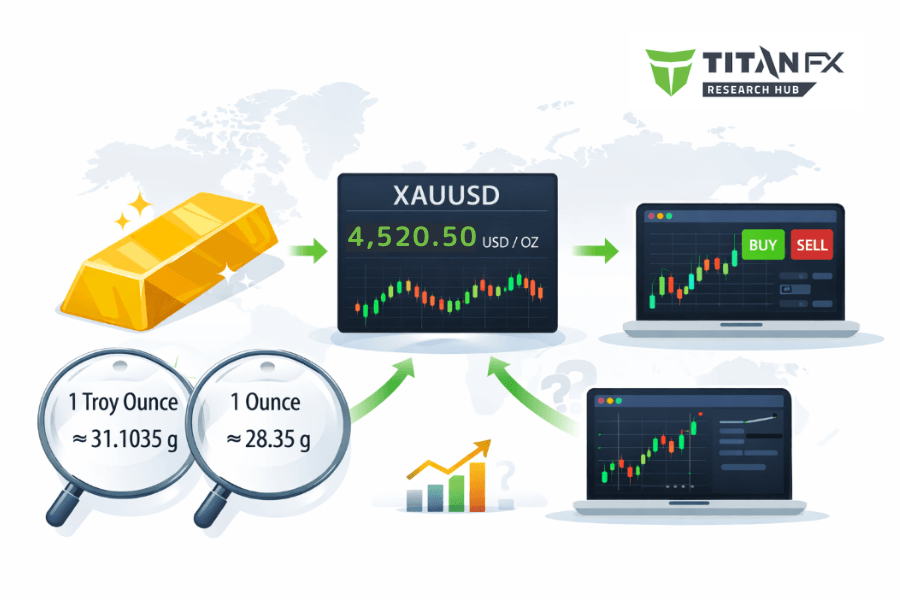
- Troy ounce: The standard unit for the international gold and silver markets; 1 troy ounce is about 31.1035 grams.
- Different from the avoirdupois ounce: The everyday ounce is about 28.35 grams—same name, different weight, not interchangeable.
- One consistent basis: Whether quoted per ounce or per gram, the figure traces back to the same troy-ounce-based international gold price.
- XAUUSD: The most common gold ticker; XAU means gold, USD means dollars, still priced per troy ounce.
- Gold CFDs: Derivatives tracking the international gold price (XAUUSD); focus on price movement, not delivery—mind volatility and risk.
- 1. What Is a Troy Ounce? Gold's Common Unit of Measurement
- 2. The Difference Between a Troy Ounce and the Everyday Avoirdupois Ounce
- 3. Why Is Gold Priced Per Ounce in Some Places and Per Gram in Others?
- 4. What Does the Gold Price Represent in Market Information?
- 5. Gold Prices in Financial Markets and XAUUSD
- 6. Following Gold Prices Through CFDs: How It Works and What Sets It Apart
- 7. Frequently Asked Questions About the Troy Ounce and Gold Prices (FAQ)
- 8. Summary
1. What Is a Troy Ounce? Gold's Common Unit of Measurement
When following international gold news, market analysis, or live gold prices, you will often come across phrases like "how many dollars is one ounce of gold." In reality, the "ounce" referred to here is not the general weight unit used in daily life, but rather the troy ounce, which is used specifically in the precious-metals market.
The troy ounce is the standard unit used across the international gold and silver markets. Nearly all major gold quotes and gold-based financial products use the troy ounce as their pricing basis. In other words, when the market refers to "the price of an ounce of gold," it usually means the price of one troy ounce of gold.
In terms of weight conversion, 1 troy ounce is roughly equal to 31.1035 grams. This unit stems from a long-standing international market convention and was widely adopted as gold became a globally traded commodity. For investors, grasping the idea that "a gold ounce = a troy ounce" is the first step toward correctly interpreting gold prices.
2. The Difference Between a Troy Ounce and the Everyday Avoirdupois Ounce
Although the troy ounce is widely used in the gold market, the "ounce" most people are familiar with in everyday life is actually the avoirdupois ounce. This is precisely why so many people, when they first encounter gold prices, can become confused about how much an "ounce" actually weighs.
The avoirdupois ounce is mainly used for everyday goods and general weight measurement—for example, food packaging, product labeling, or as a weight unit within the everyday measurement systems of some countries. It weighs about 28.35 grams, which is not the same as a troy ounce.
By contrast, the troy ounce is a unit designed and maintained specifically for precious-metals trading, applied primarily in markets such as gold and silver. Although the two share the same name, they differ in usage context and weight basis, and they cannot be directly interchanged.
For this reason, distinguishing between the "troy ounce" and the "avoirdupois ounce" when reading gold price information helps you avoid mistaking a gold quote in the financial markets for the weight unit used for everyday goods, which would otherwise distort your understanding of the price.
3. Why Is Gold Priced Per Ounce in Some Places and Per Gram in Others?
In the international gold market, gold is always priced on the basis of the troy ounce. Whether it is a financial-market quote, a news item, or a gold-related financial product, the price source all points back to the same international gold price.
However, when it comes to physical gold retail and everyday gold-price checks, different regions often present prices in more intuitive units. In markets such as Taiwan, Mainland China, and Japan, for example, the gold prices that the public encounters are most often shown per gram, making it easier for consumers to relate actual weight to the corresponding amount of money.
This difference does not mean that the calculation basis for gold prices varies from place to place. Rather, the same international gold price, anchored to the troy ounce, is simply converted into a presentation that suits local usage habits. In other words, whether you see a gold price "per ounce" or "per gram," the figure still rests on the same international gold-price basis.
Because of this, when investors track gold-price information from different markets or sources at the same time, being able to quickly compare gold prices across different units helps them grasp market levels and price changes more intuitively.
To help investors compare gold prices across different regions and units more easily, Titan FX offers a global live gold-price tool that lets you view the international gold price alongside the common gold-price presentations in markets such as Taiwan, Mainland China, and Japan, helping readers understand gold prices from a single, unified perspective.
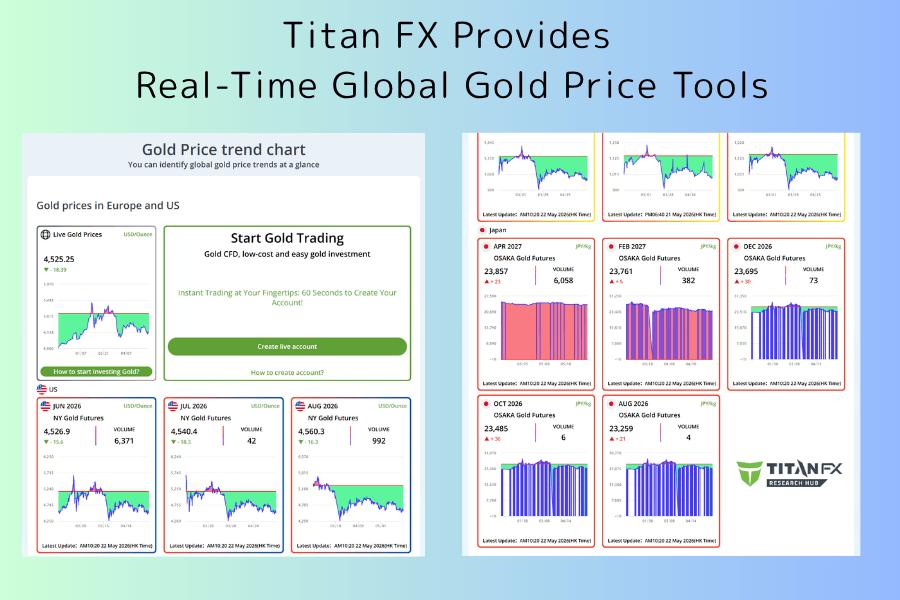
Related tool: Global Gold Price Chart
4. What Does the Gold Price Represent in Market Information?
In news reports, market analysis, or various types of gold-price information, the gold price you see usually refers to a reference price in the international market. This kind of price primarily reflects the market's overall consensus on the value of gold and serves as a benchmark for observing market conditions and comparing trends.
It is worth noting that this kind of gold price is not the same as the final transaction price in a physical trade. Physical gold retail, different platforms, or financial products often present different price figures based on the transaction format, unit conversion, or other conditions—but their core basis still comes from the same international gold-price benchmark.
So when investors or readers see slightly different gold prices across various sources, the point is not whether the numbers match exactly, but understanding how these prices are converted from the same international benchmark. As long as you grasp the differences in units and presentation, you can interpret market information more systematically, without being confused by the way prices are displayed.
5. Gold Prices in Financial Markets and XAUUSD
In financial markets, gold is usually quoted in ticker form, and the most common of these is XAUUSD. This ticker is made up of two parts: XAU stands for gold, while USD stands for the U.S. dollar, so the overall meaning is "the price of gold quoted in U.S. dollars."
The price shown by XAUUSD is, in essence, still based on the troy ounce. When the market displays an XAUUSD quote, it represents "the U.S. dollar price corresponding to one troy ounce of gold," which is consistent with the logic of the international gold quotes mentioned earlier.
Because XAUUSD is a widely used way of expressing gold prices in international financial markets, investors can use a single, unified ticker to quickly identify the pricing basis and currency of the gold price. Whether in market analysis, price charts, or gold-related financial products, XAUUSD plays an important role in linking the international gold price to the financial markets.
For investors, understanding what XAUUSD means helps connect the concepts introduced earlier—the "troy ounce" and the "international gold-price basis"—with how prices are actually presented in the financial markets. Once you can clearly distinguish what a ticker represents and how it is priced, reading gold-related market information becomes far more intuitive.
6. Following Gold Prices Through CFDs: How It Works and What Sets It Apart
In financial markets, besides physical gold and futures contracts, contracts for difference (CFDs) are another way to follow gold-price movements. Through gold CFDs, market participants do not actually hold physical gold; instead, they take part in the market moves driven by price fluctuations, based on changes in the gold price.
The price source that gold CFDs reference usually comes from international-market gold quotes, such as the XAUUSD mentioned in the previous section. This means the price basis for gold CFDs is still the international gold price quoted per troy ounce, rather than a quoting system independent of the market.
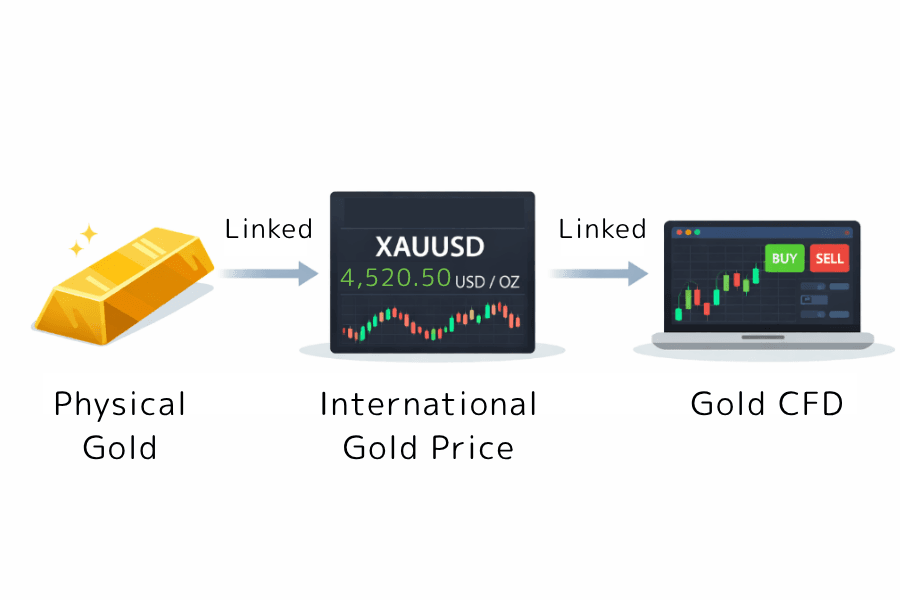
Unlike physical gold, CFDs are derivative financial products whose core lies in price linkage rather than asset delivery. As a result, when following the gold market through CFDs, the focus is on understanding how prices are formed and how the market moves, rather than the storage or physical circulation of gold itself.
It is worth keeping in mind that CFD price movements are highly correlated with market volatility and may also carry a certain degree of risk. Therefore, before choosing to follow gold prices through CFDs, understanding their transaction format, pricing basis, and risk characteristics is something investors cannot afford to overlook.
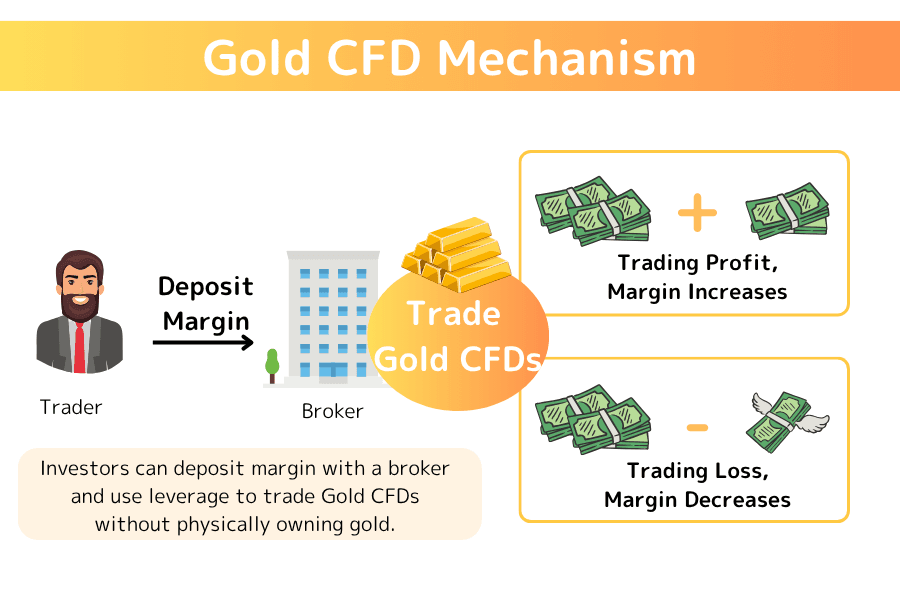
Overall, gold CFDs offer a way to participate in the market that differs from physical gold, allowing investors to observe and take part in gold-price changes through financial-market tools, while still understanding the international gold-price basis.
Further reading: What Is a Gold CFD? A Complete Guide to the Trading Mechanism, Advantages, Risks, and Titan FX in Practice
Trade Gold CFDs with Titan FX
Titan FX offers gold CFDs (XAU/USD) with up to 1,000:1 leverage, tight spreads, and the flexibility to go long or short without holding physical gold.
7. Frequently Asked Questions About the Troy Ounce and Gold Prices (FAQ)
Q1: How many grams is 1 troy ounce?
1 troy ounce is roughly equal to 31.1035 grams and is the standard unit used across the international gold and silver markets. It differs from the everyday avoirdupois ounce (about 28.35 grams): although the names are the same, the weight bases are different, so the two cannot be directly interchanged.
Q2: Why is the gold price sometimes quoted per ounce and sometimes per gram?
The international gold price is always based on the troy ounce, but in physical gold retail or everyday price checks, markets such as Taiwan, Mainland China, and Japan often present it "per gram" to make it easier for consumers to understand. The two simply use different unit conversions, while still resting on the same international gold price.
Q3: What does XAUUSD mean?
XAUUSD is the most common gold-price ticker in the financial markets. XAU stands for gold, USD stands for the U.S. dollar, and together they mean "the price of gold quoted in U.S. dollars," still based on the troy ounce as the pricing basis.
Q4: Why is the gold price seen in the news different from the actual buying and selling price?
The gold price in news and market analysis is usually an "international reference price" that reflects the market's overall consensus on the value of gold. Physical retail, different platforms, or financial products may show different figures due to the transaction format, unit conversion, and so on, but the core still comes from the same international gold-price benchmark.
Q5: What is the difference between a gold CFD and physical gold?
Physical gold involves storage and physical delivery; a gold CFD is a derivative financial product that does not hold the physical metal, instead participating in price movements based on changes in the international gold price (such as XAUUSD). CFDs focus on price linkage and carry leverage and market-volatility risk, so you should understand how they work before using them.
Q6: Can I follow and trade gold prices on Titan FX?
Yes. Titan FX offers a global live gold-price tool that lets you compare the international gold price with the presentations used in markets such as Taiwan, Mainland China, and Japan. It also offers contracts for difference (CFDs) on gold (XAUUSD), allowing investors to participate in gold-price changes while understanding the troy ounce and the international gold-price basis.
8. Summary
Understanding the troy ounce and the pricing logic behind gold prices helps investors correctly interpret gold-price information from different sources and build a basic understanding of the international gold market.
Once you can distinguish the relationships among the pricing basis, unit presentation, and market tools, reading gold-related market information becomes clearer and more systematic.
Further Reading
- What Is a Gold CFD? Mechanism, Advantages, and Risks
- How Central Bank Gold Buying Drives Gold Prices
- Silver Investing Basics: History, Properties, and Trading
- Precious Metals Trading Basics
- What Is a CFD (Contract for Difference)?
Titan FX Research. Investor-education content covering forex (FX), commodities (oil, precious metals, agricultural products), stock indices, US equities, and crypto assets across global markets.
Primary Sources by Category
- Official data and market bodies: London Bullion Market Association (LBMA) price benchmarks; CME COMEX gold futures; World Gold Council
- Measurement standards: the Troy system and the history of international weights and measures
- Market data: Titan FX global real-time gold-price tool and XAUUSD quotes